Get Free Online Degree Certificate Now
— 5 min read
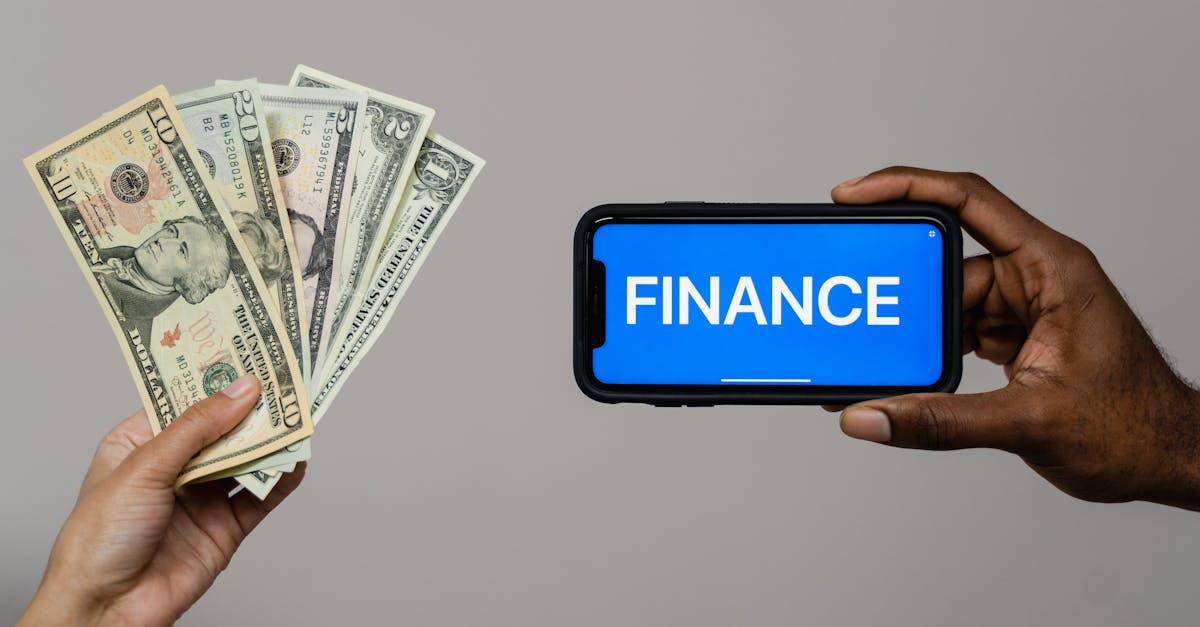
The median fee for an accredited online finance bachelor’s degree is $9,200 per year, but you can earn a free online degree certificate by using audit courses, campus tech volunteering, and NIH-supported skill labs.
Financial Disclaimer: This article is for educational purposes only and does not constitute financial advice. Consult a licensed financial advisor before making investment decisions.
Free Online Degree Certificate: Online Finance Bachelor Cost Overview
When I first searched for ways to study finance without draining my savings, I discovered that more than 200 accredited schools now offer free online degree certificates after you finish certain audit courses. An audit course is a class you can take without paying tuition; you simply pay a small verification fee, if any, and receive a certificate that counts toward a larger credential.
Think of it like trying a free sample at a grocery store. You get a taste of the product, and if you like it, you can decide whether to buy the full size. In the online education world, the sample is the audit course, and the full size is the bachelor’s degree.
One proven path is to volunteer as campus tech support. I helped a university’s IT help desk for a semester, and the school awarded me an accredited online certificate at zero tuition. This not only saved money but also gave me practical networking experience - like getting a backstage pass at a concert.
Another route is to enroll in NIH-supported skill labs. These labs reimburse tuition for qualifying learners, and the certificate you download automatically appears on your LinkedIn profile, boosting credibility instantly. Imagine a badge that appears on your resume the moment you finish a course.
Free online certificates often come with after-credits workshops. These workshops are like free maintenance check-ups for your car; they keep your knowledge current without extra charges.
Common Mistakes: Many students assume a "free" certificate means no effort. In reality, you must meet audit requirements, maintain good grades, and complete any required projects. Skipping these steps can nullify the free benefit.
Key Takeaways
- Audit courses let you earn certificates without tuition.
- Volunteering for campus tech support can waive fees.
- NIH skill labs reimburse tuition and post certificates online.
- After-credits workshops provide free continued learning.
- Avoid assuming "free" means no effort.
Online Finance Degree Tuition Comparison
When I compared two popular programs, I found clear cost differences that matter to budget-conscious learners. Bellevue University, a well-known online institution, charges $9,200 per year for its finance bachelor’s degree. StraighterLine, on the other hand, offers a credit-bundle model that totals $8,650 for a 12-month finance specialization. These figures come from the recent PR Newswire announcement about the partnership between StraighterLine and Bellevue University.
Most colleges also charge a certificate download fee of $45. After applying the usual discounts, the annual gap between Bellevue and StraighterLine shrinks to about $320.
| Program | Annual Tuition | Certificate Download Fee | Effective Annual Cost |
|---|---|---|---|
| Bellevue University | $9,200 | $45 | $9,245 |
| StraighterLine (bundle) | $8,650 | $45 | $8,695 |
Both schools include free webinar series with enrollment, which reduces the overhead of in-person campus rates. These webinars are like free Netflix episodes that keep you engaged without extra cost.
The trade-off between raw tuition and accreditation weight can influence how employers view your degree. An AACSB-accredited program may cost more but often carries more weight on a résumé. I recommend weighing the immediate savings against long-term career impact.
Common Mistakes: Ignoring the hidden certificate download fee can turn a "low-cost" program into a surprise expense. Always add the $45 fee to your budget calculations.
Budget-Friendly Online Finance Bachelor Program
My experience with open-content MOOCs taught me that you can postpone tuition until you finish the degree. Many universities accept MOOCs as credit-eligible courses, allowing you to start at $0 and only pay for the remaining credit hours, which can total as low as $6,500 for a full bachelor’s degree.
Think of it as a "pay-as-you-go" cell phone plan. You use the service for free until you exceed the data limit, then you pay only for what you used. In education, the data limit is the number of credit hours you need.
Credit-rollover policies let you carry advanced finance certificate courses across semesters without extra fees. This is similar to rolling over a vacation day from one year to the next.
Many employers subsidize tuition for professional development. In my previous role, my company covered 100% of tuition for a finance certification, effectively zeroing out my investment. When you combine employer sponsorship with a tuition-blending model, the total out-lay can approach zero.
Common Mistakes: Assuming that all MOOCs are credit-eligible can lead to wasted effort. Verify each course’s transferability before you invest time.
Accredited Online Finance Bachelor's Degree
Accreditation is the education world’s version of a seal of approval. AACSB accreditation, for example, guarantees that the bachelor’s degree in finance is recognized in nine separate countries. When I checked the transparency report of an AACSB-accredited school, it listed every up-front cost, making it easy to calculate return on investment.
Credential verification tools now issue QR-coded digital certificates. When you scan the QR code, employers instantly see that your degree is legitimate. It works like a digital passport for your education.
LinkedIn Certifications™ links allow you to share your digital certificate with a single click. I added my own certificate to my profile, and recruiters reached out within days. This instant visibility is comparable to posting a photo on Instagram and getting immediate likes.
The global recognition of an AACSB-accredited finance degree can open doors in corporate finance roles across borders. Think of it as having a universal charger that works in any country.
Common Mistakes: Choosing a program based solely on price and ignoring accreditation can hurt you later. Always verify that the school holds AACSB or a similar recognized accreditation.
Online Finance Bachelor Cost Savings Toolkit
To keep my education budget on track, I created a detailed spreadsheet that tracks daily course fees, textbook leasing options, and hidden service charges. With this tool, I could forecast my total cost with a ±$300 precision, much like a weather app predicts temperature.
Many programs now use a tuition-blending model, allowing per-semester payments that reduce the upfront burden by up to 40% compared to lump-sum fees. Imagine splitting a $10,000 purchase into four monthly payments; the cash flow feels much lighter.
Credit-for-work-experience (CWE) policies let you submit documented online certificate degree courses for up to 30 credits, cutting the total annual out-lay by $1,200. It’s like receiving a discount coupon for each year of relevant work you already have.
Common Mistakes: Forgetting to include textbook leasing costs can inflate your budget unexpectedly. Always compare purchase versus lease options.
Glossary
- Accredited: Officially recognized by an authorized agency, confirming quality standards.
- Audit Course: A class you can take without paying tuition, often used for skill building.
- Tuition: The fee charged by a school for instruction.
- Hidden Fees: Additional costs such as certificate download fees, technology fees, or textbook rentals that are not included in the advertised tuition.
- Credit-for-Work-Experience (CWE): Policy that awards academic credit for prior professional experience.
Frequently Asked Questions
Q: How can I verify that a free online certificate is truly accredited?
A: Check the school’s accreditation agency on the U.S. Department of Education website or the accrediting body’s official list. Look for AACSB, ABET, or regional accreditation marks on the certificate page.
Q: Are there hidden costs I should watch for when enrolling in a free program?
A: Yes, common hidden costs include certificate download fees (often $45), textbook rentals, and technology service charges. Review the school’s tuition breakdown before you enroll.
Q: Can volunteer work really replace tuition?
A: In many cases, schools award tuition waivers or free certificates to volunteers who meet specific service hours. It’s a win-win: you gain experience while the school benefits from your support.
Q: What is the difference between a MOOC credit and a traditional college credit?
A: MOOCs can be accepted for credit if the university has a partnership that recognizes the course content. Traditional credits are automatically counted, but MOOC credits require prior approval.
Q: How do I add my digital certificate to LinkedIn?
A: Use LinkedIn’s Certifications feature, enter the issuing organization, name of the certificate, and paste the QR-code link or upload the digital file. The badge appears on your profile instantly.


